Artist Research- Landscapes

Laurence Stephen Lowry

L. S Lowry was an English artist, most of his drawings were drawn of his home country and where he lived for over 40 years, Lancashire. His most famous work is his work which was inspired by industrial landscapes, he has a distinguished art style and people know his work all around. He also would paint unpopulated landscapes which weren’t discovered until later after his death. His work was very popular around the 40’s and became very quick due to his local artwork which people adored.
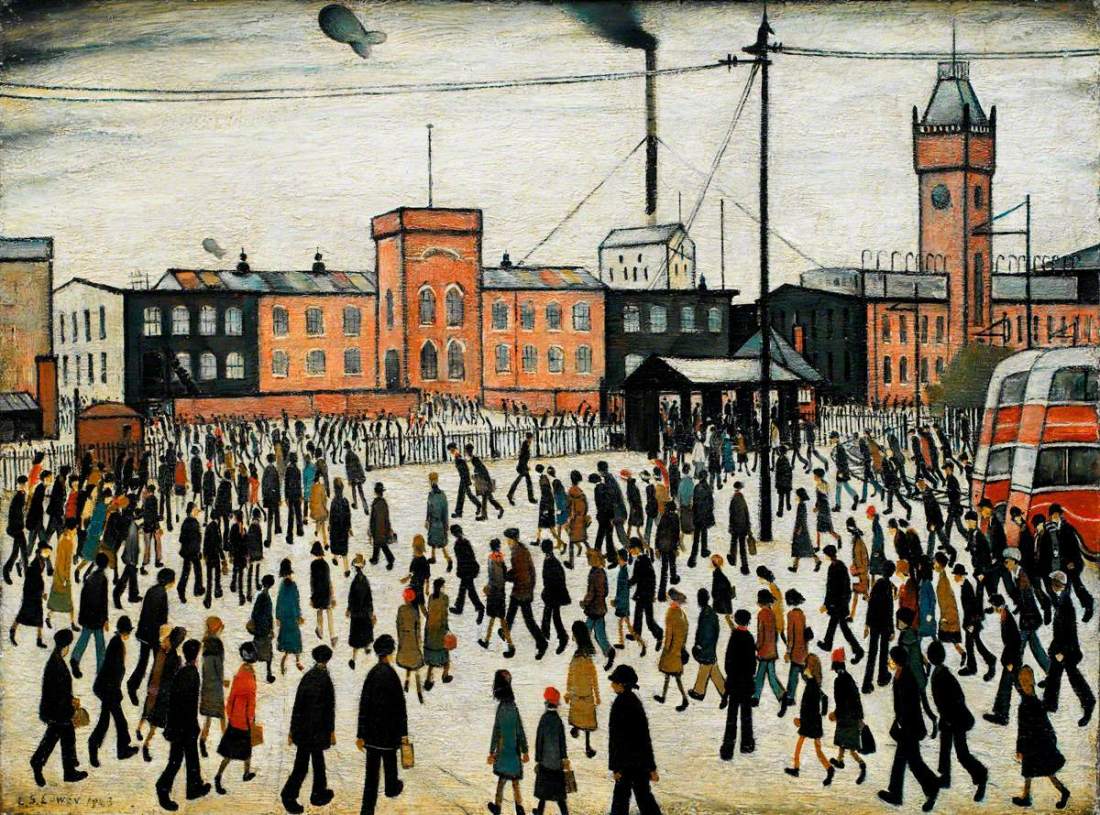
Lowry, Laurence Stephen, 1887-1976; Going to Work

I chose to analyse this piece of L. S Lowry because I think it is a classic. The piece is called ‘Going to work’ I think this piece is purely classic of the morning in a city and seeing everyone on their way to start the beginning of their days at work. I have seen this artists work a lot whilst growing up and I’m sure my grandparents have a copy of his work in their home. I think for their generation he was a very beloved and classic artist during their era and a lot of people admired his work for being so homely and showing normal every day life in industrial scenes.

I think people seeing pieces of art work in a unique form and to do with towns and villages like their own makes them feel some what special and it really draws a viewer in. I like this artists work especially because I think his style of work is unique and shows a different look on industrial landscapes and makes them look just as bright and unique as a countryside or beach. I love the colour palette e uses in all of his work and I really enjoy how all his work is similar but different at the same time. His work isn’t realistic but it shows lots of different details and approaches to viewing cities. It really inspires you to look away from all art having to look like something in every way and super realistic and look at things in a different light! I love love love this work and will take inspiration from all of his features.


George Shaw

George Shaw is a British contemporary artist, he focuses on realistic places in the English suburbs,  his work includes capturing paintings, graffiti, litter and architecture around the country. Today, Shaw’s works are held in the collections of the Royal College of Art in London, the University of Warwick, and the British Council Collection in London.
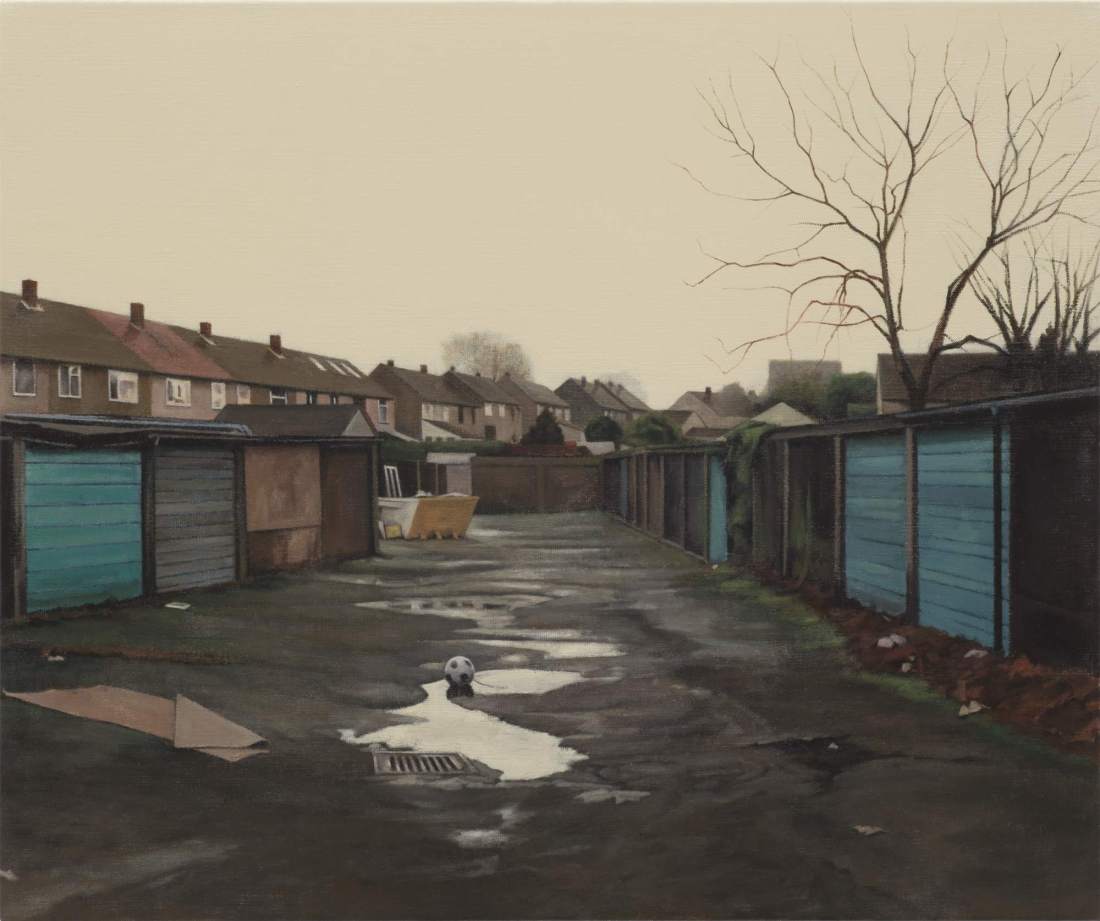
GS 2017 The National Game

I have chosen this piece of work to analyse because I felt I was drawn to it right away, I was confused when researching this artist because I was so sure his work was photographs! It’s amazing how most of his work for landscapes looks so much real. I honestly had to blink again. I love the way he focuses on areas nobody would normally take a second look at. Usually we (most of us) see these area’s on a daily basis and never would blink an eyelid to focus on it’s beauty. But this arist just captures reality and I was really drawn to that. I personally would never imagine wanting to paint or recreate this type of area but seeing it being done is amazing.

I love the way he can capture an area and make it look so realistic and loveable. He focuses on places we all know and we can all see and makes them look really interesting. I love how rural it is. The way this artist captures the lighting even to show the reflection amongst those puddles is simply amazing. I like how he has managed to make a dull area seem light and he really focuses on how the lighting hits every feature on this work. All in all I love his work, although it is never the areas I would think to paint I think it’s fascinating to see done and has made me want to focus on reflections within landscape as well as looking at more rural areas to use within my own art work.
Artist Research- Landscapes

Albrecht Durer.

Albrecht Durer was European artist who created a high reputation and influenced a lot of creativity in the 14’00s. His work became famous and his main focus was woodcut print, as well as a wide range of different media’s such as : engravings, altarpieces, portraits and water colours. He said a wide range of different artistic features.

I took the interest in looking into his landscape work and seeing his technique when it comes to recreating a wide angled piece of art. I found I was fascinated by his creatively and enjoyed looking at each piece. I think it is so amazing how art has been carried through this world for centuries and how amazing it is we are so easy to look at artwork that dates back this long.

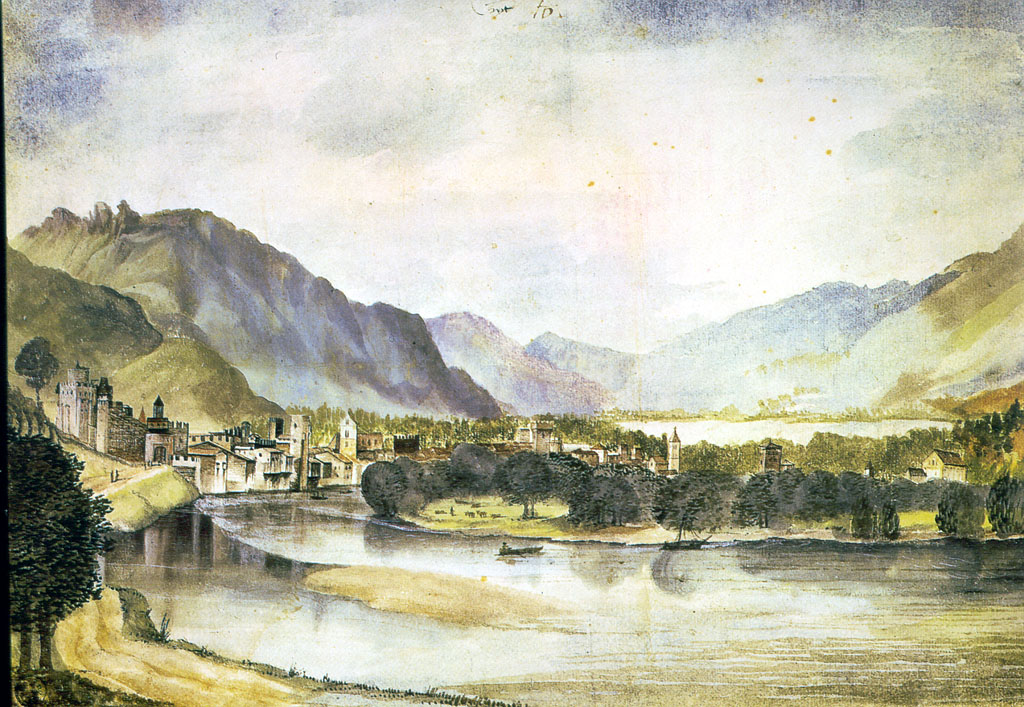
This piece below particularly took my attention as there is a lake sitting in the middle of this town. His attention to detail throughout this piece is amazing and the techniques within using watercolour is fascinating. I love the way the lake has reflections along and the lightness of some area’s makes the water look so realistic. Along the left side there is light white strokes where it’s created the effect of the water crashing along side the bank and I think this is a really effective method I could use in my own artwork.

The way he change’s the tones around the mountains shows the depth between them all and really looks far back from the town because of the way he has worked with the lighting and the shades of the water colour have really made a memorising piece of artwork.

trento

All in all, researching this artist has got me really excited to experiment more with my water colours to get more of a skill on making landscapes and pictures. I would love to recreate full scenes like this way in such a realistic and wide angled manner. I think the water colours really add to this piece of art and make it even more amazing.


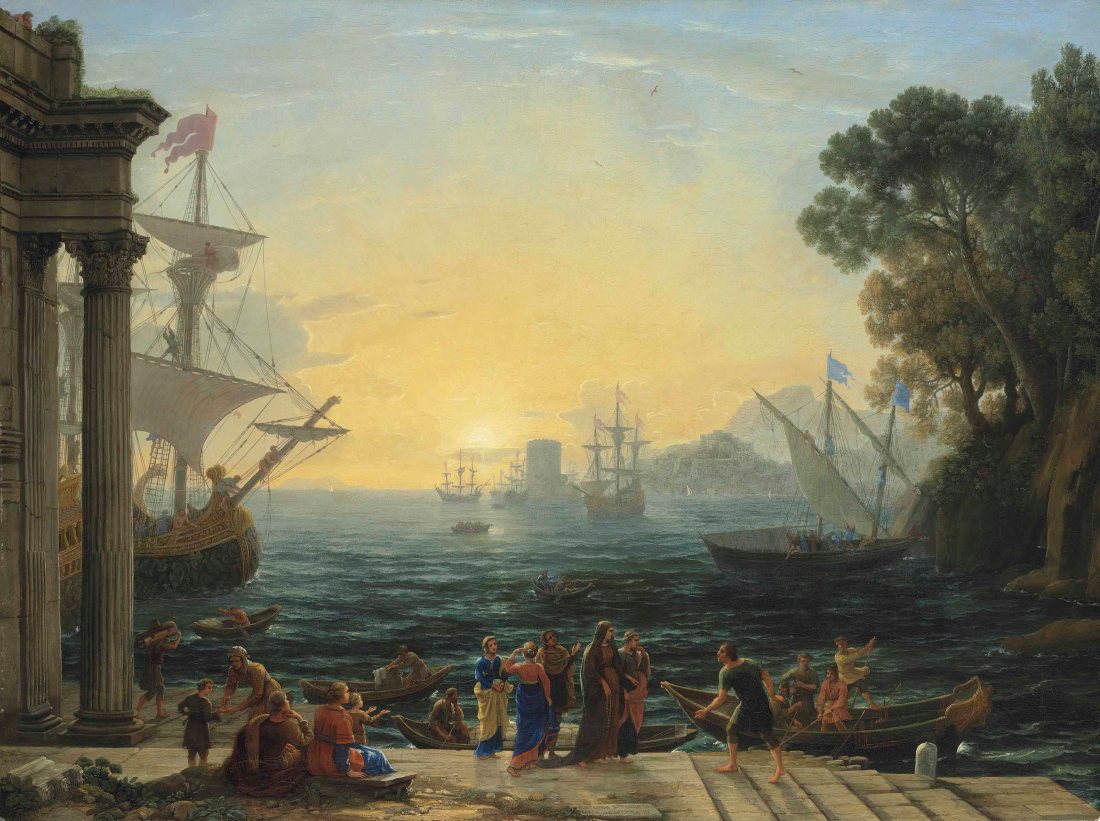
Claude Lorrain

Claude was a famous French landscape artist, he spent most of his life in Italy and soon became the leading landscape artist in Italy. His work became bigger and bigger as he earned more money. In 1630’s he soon ranked up to being the leading landscapist in Italy and was well known by everyone as well as charging large amounts for his outstanding and famous work. He was one of the first artists and was known for showing the Sun into his work and playing with lighting which had been a rare sight in the past.

2013_CKS_01164_0021_000(claude_gellee_called_claude_lorrain_a_mediterranean_port_at_sunrise_wi)

I chose to analyse this piece because I thought it had a good understanding of the contemporary feature this artist brought into to new art work of his era. He demonstrates the sun and shows how sun has effected the lighting all over this landscape. I think the way the artist has been able to show light across the ocean and get the effect of haze above the water is fascinating. I always find historical artwork fantastic to think people could create this art work to last for so long in a time where photography and technology in general is no where what it is today.

I love the way he has made such an impact on this whole piece of art by the power of the sun. He really has captured such beautiful lighting and realistic tones all over this piece. I love the amount of detail in every feature in this place and really gets me inspired to develop painting and get to be able to recreate such beautiful landscapes myself. All in all I have taken a lot of inspiration from both of these artists and will take features from both to help develop during my exercises.

Independent studies- trees

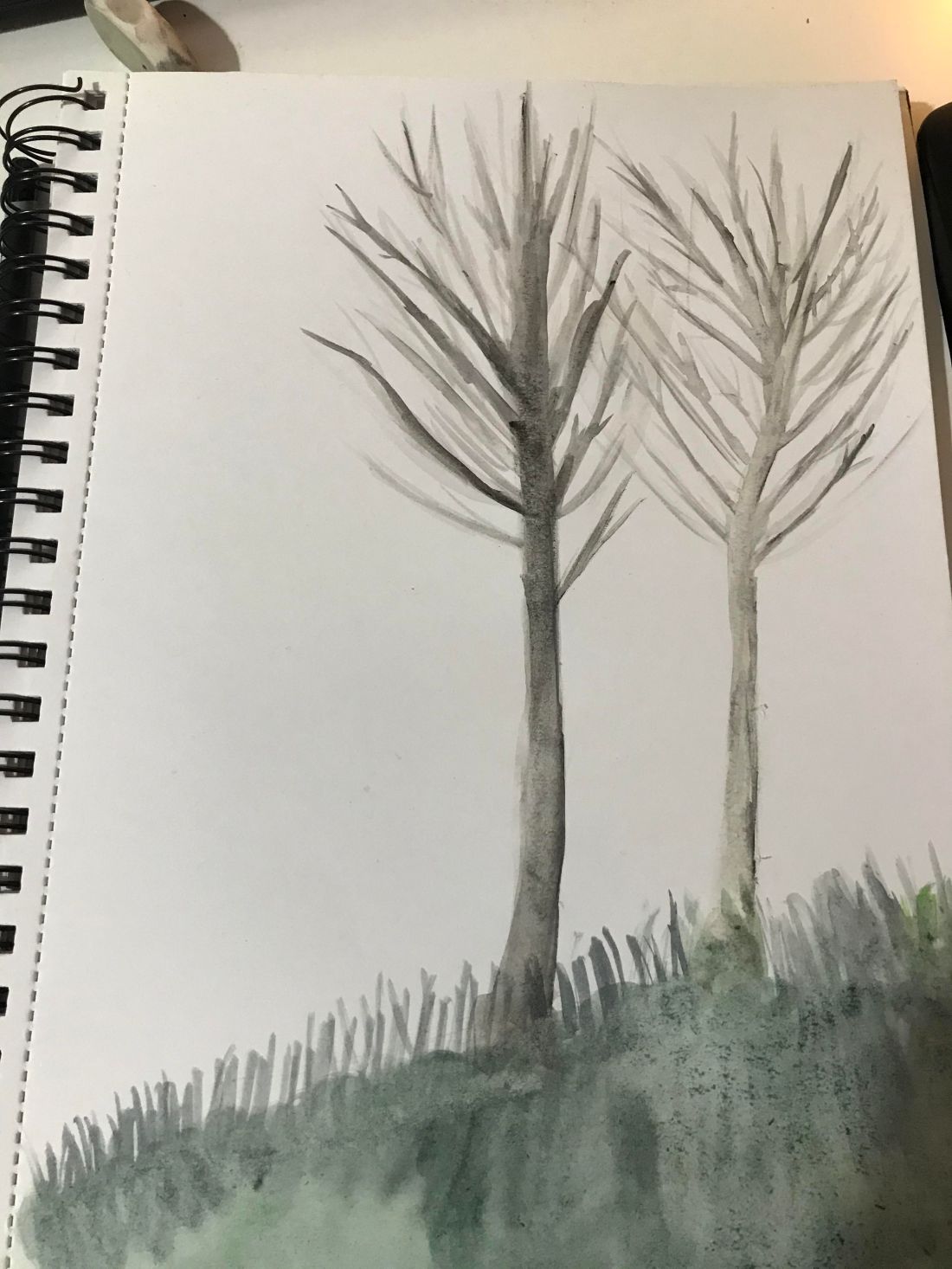
Whilst going in between exercises I wanted to take some time to study with water colours and only watercolours,  I took an image of two trees and I tried to recreate the slightness of them both and the dullness of both of the trees.

unnamed (3)

In this piece I just purely wanted to experiment with using just watercolours and nothing more. I focused on these two winter trees because I liked how slight they both were sat together. I wanted to experiment with lights and darks and using the whites against the black, I liked how easy it was to blend the colours together and create the colour I wanted and the texture I wanted.

If i was to do with piece again I would spend more time on the background and add feature to create the full image, I was happy with the outcome and will continue to use watercolours throughout this assignment.

Exercise 3- Study of Several Trees

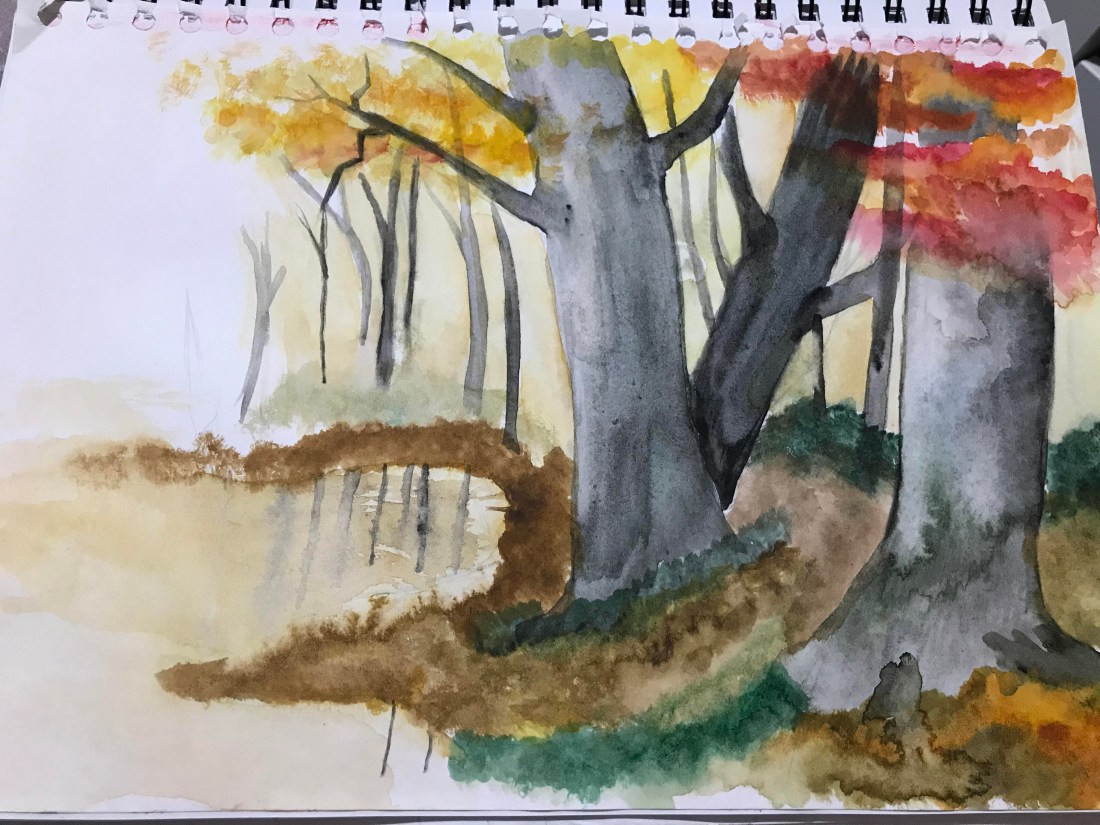
In this exercise we were asked to focus on a group of trees to look into the different colours and textures of trees grouped together. Using a different material to our preferred one and focusing on the tones and different ways the light shines. We were told to spend at least 2 hours on this piece and I spent just that, I did use a picture on google to complete this as I wasn’t feeling well enough to go outside.

In my piece I decided to look at an autumnal woodland because I thought the colours would be the most striking and I liked the idea of incorporating watercolour to pop the colour out a lot. When doing this piece I found it fascinating to look at all the different colours and focus on the changes throughout each tree. The leaf changes and also the texture throughout all the different trees. In this piece there was also a lake; I found this a really amazing thing to recreate and I loved adding in the trees reflections.

unnamed (2)

What techniques did you use to distinguish one species of tree from another?

Throughout this piece I used various different techniques, I used the method of blotching my brush along the bottom to get the effect of mud along the lake, I also used different water techniques throughout the trees to get the lightness on the trunks. I also took a fan brush and did quick strides across the water to get a light reflection look across the top. In this picture I looked at the different textures between the trees and could tell the difference in the types of trees. I looked at the mass on the tree compared to the trees in the background so it grew easy to see the different types of trees.

How did you convey the mass of foliage and the spaces between?

When looking between the trees and seeing the different foliage on the trees I looked closely to see where it parted between the colours on the trees. As my picture was the lower part of the trees mainly there wasn’t much foliage to have on the trees yet I looked to see the different blocks of colours throughout and based my art on that.

How did you handle light on the different parts of the tree?

When it comes to the lighting I just looked at the lighter parts on the pictures, when I did that I could envisage where the light from the trees was coming from, I could spot the shadows and where the lighter parks of bark were and where to aim putting the more light tones in my image. I could see the light on the water and see the whiter tons and where to angle my shadows to.

I enjoyed doing this piece as it took me out of my comfort zone with the usual sketching or using pen to do my art. I liked experimenting with different colours and using the water to create different tonal work throughout the piece. If i was to improve this piece any I would do a larger scale to challenge myself a bit more. I would also not sketch out my image before hand, I think I have an old habit of being too nervous to go straight into a piece of art using just paint or watercolours because you can’t erase, but now I’m more skilled within art I’m going to try to take myself out of that comfort zone.


Exercise two/ independent exercises

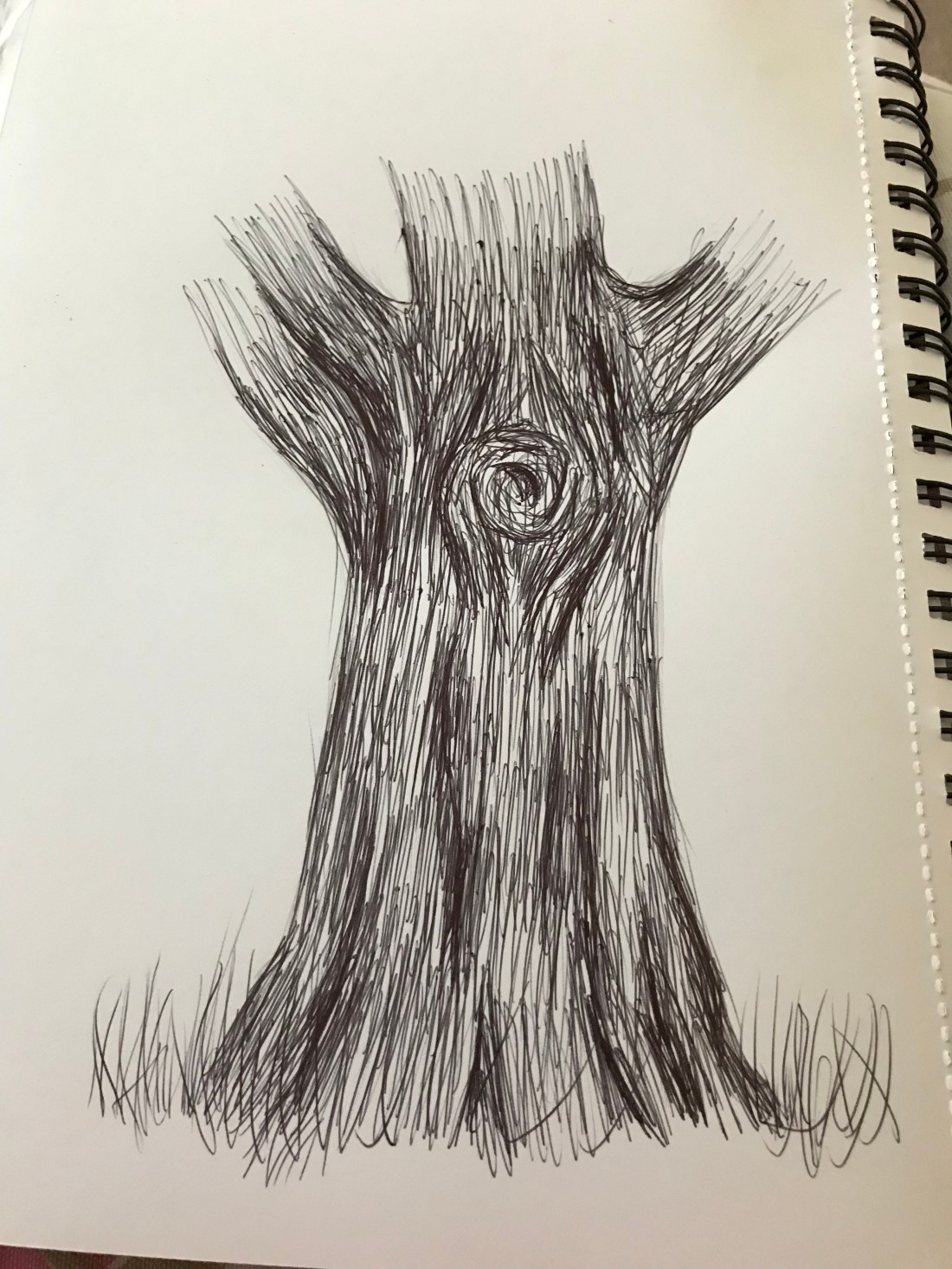
After completing exercise two I decided to further onto another piece using the same exercise method of going into detail of the trunk of the tree but using biro pen instead. As experimenting went so well with the chalk I thought I’d try with another material.

In the past I have done a lot of work with biro at GCSE level and also BETEC, I used to go to this material all the time for a messy look or to gather more of a boldness to my work, therefore I thought it’d be perfect for this exercise.

Below is a picture of my result:

I am really glad I decided to do this second piece as I think the detail the biro creates is great, it picks up the detail and different shadows on the tree and really has a unique look on the drawing. I like how the biro was when it came to doing different tones on the trunk, building up shadow and aspects of the tree was really easy and I think the outlook looks really good. I’m happy with how this overall piece turned out and I think it gives a different look on the tree trunk all together.

If I was to change anything or this piece it would be to focus more really closely on the individual details of the trunk and to perhaps do a full drawing of the tree not just a section other than that I think this piece turned out really well and I will be using biro again in more of my drawings!

Exercise two-

For this exercise we were asked to focus more on the trunk of the tree and spend a long time on this task to get a really good look into the detail of the trunk and features shown onto it.

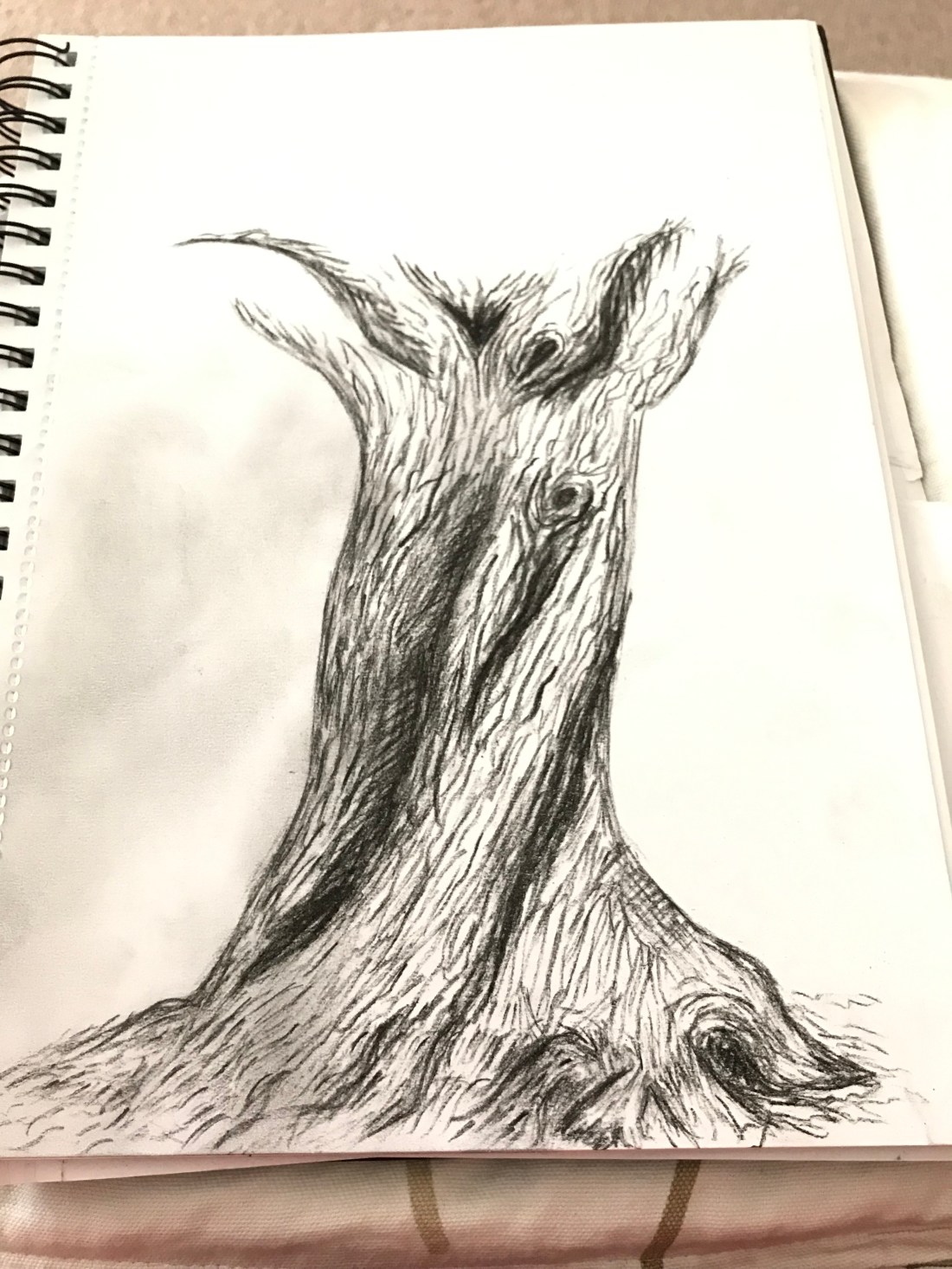
Yesterday I did a sketch using charcoal on a similar type sketch involving detail and to have ago at drawing a full tree using a material I wouldn’t normally choose for drawing, because of how well I liked how it turned out I decided to use this material again and really focus on the detail on the tree.

Here is a picture of the result of this exercise:

As shown on the image I spent a long time really focusing on the detail and tones of the tree, I wanted to really get across the texture of the bark therefore I did quick and bold lines. I found it really fascinating looking into depth at the tree and looking at the details within the bark and tried to get this across in the drawing.

I loved how I could get so in detail and really show the strength of the trunk and really focus on the shadowing along side the textures of the bark. I like how this piece turned out and I think using the charcoal has given me a whole new perspective of using another material to give a more detailed and realistic outlook onto my drawings.

If I was to criticise this drawing I would say I would’ve liked to finish off the tree but seen as the exercise was to focus on the trunk I didn’t want to clutter up the exercise by adding the leaves and full structure to it. I think if I was to re do this piece I would also add a bit more shading to the roots and bottom of the structure instead of just focusing on the twists of the tree.

Furthermore, I am pleased with how this piece had turned out and think I have improved in my details of trees since the first exercise I have found a new material I am now just as comfortable with and plan to explore with various other materials!

Experimental piece – sketch book work

Seem as the new project/ assignment is revolves around tree I wanted to do some experimental work in my sketch book to get used to the look of trees and how I go about the detail in my drawings and using materials I wouldn’t usually pick to draw with.

In my assignment two feed back I was told to spend more time doing work in my sketch book and developing on my drawing skills independently to advance my self more on sketching and quick drawing as well as exploring new materials and ways I can draw.

I was always a bit apprehensive about drawing with charcoal as it’s not a material I would ever pick up and draw with but once I started on this drawing I loved the way it felt and the texture it brought to my drawing, I felt it brought the tree more alive and enhanced the detail in a different way a pencil would do. It shows it strength and how dark the trunk is but also shows the softness I want to show for the leaves falling over and hanging above the structure.

I found this piece very fun to do and has opened my eyes to using and experimenting with more materials within my work instead of sticking what I’m used to. I’m proud of how the tree looks and I’m excited to further on with this part of the drawing course.

Trees- Exercise One.

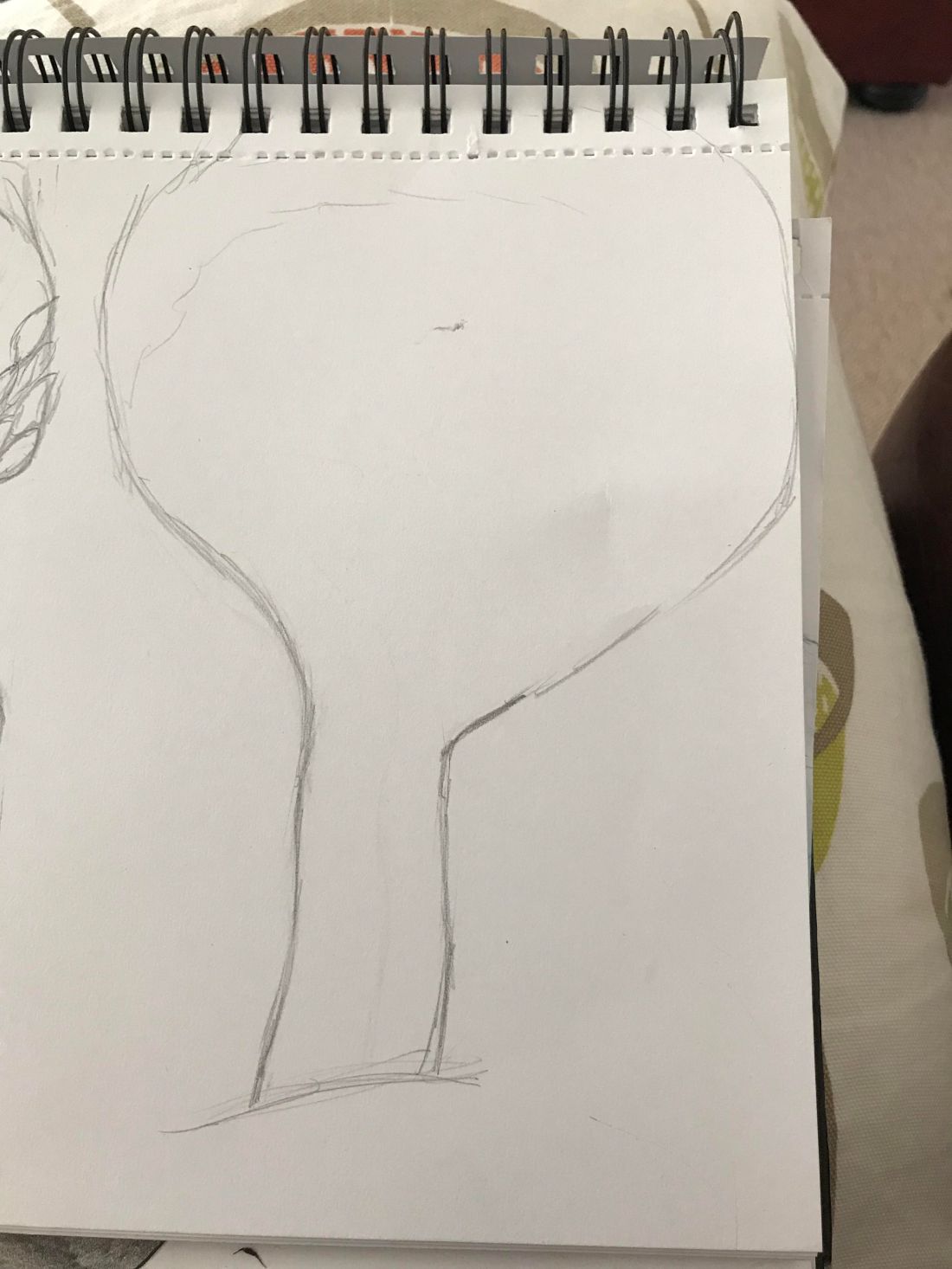
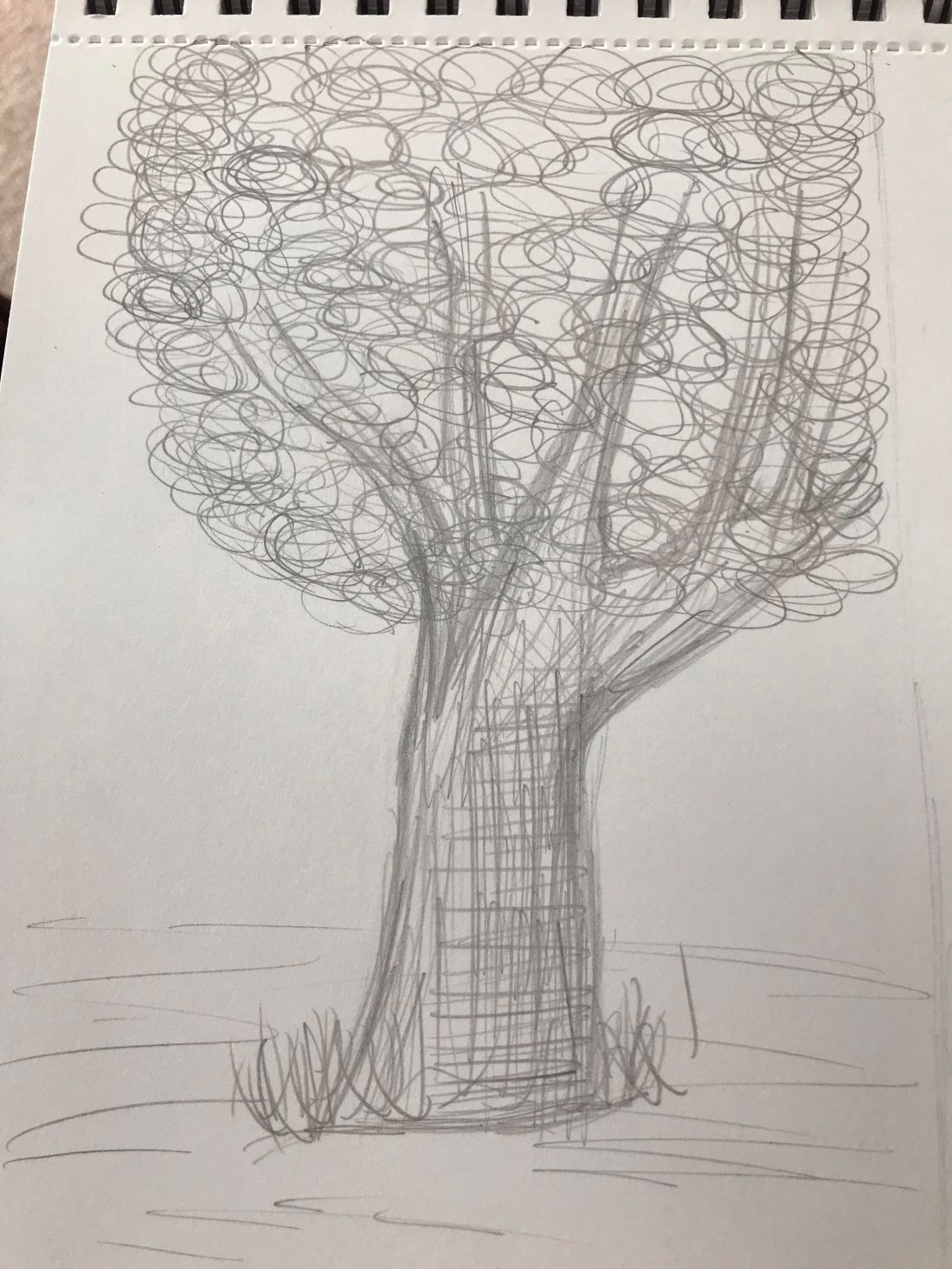
For this exercise we were asked to draw four separate drawings of the same tree doing different forms of exercises. The first one being to do a simple and basic outline of the tree to get a basic idea of the form and the shape the leaves form such a big volume around the tree. The next one is to draw basic shapes in the outline of the tree and to start some initial shading to form more dimension of the tree. Furthering onto doing a basic outline and look onto the branches and the trunk of the tree, the last one was to draw with lots of scribbled lines and add some shading whilst forming a way of showing texture of the leaves onto the trees.

Here is an image of the first drawing to do, this being an outline of the basic tree shape:

unnamed (5)

This piece was fairly simple, it was good to get a rough idea of the basic outline of the tree and to look around the tree rather than just inside the tree. I think this piece clearly shows the outline of the tree and how I have tried to include the full outline including the volume on the tree that the leaves will form.

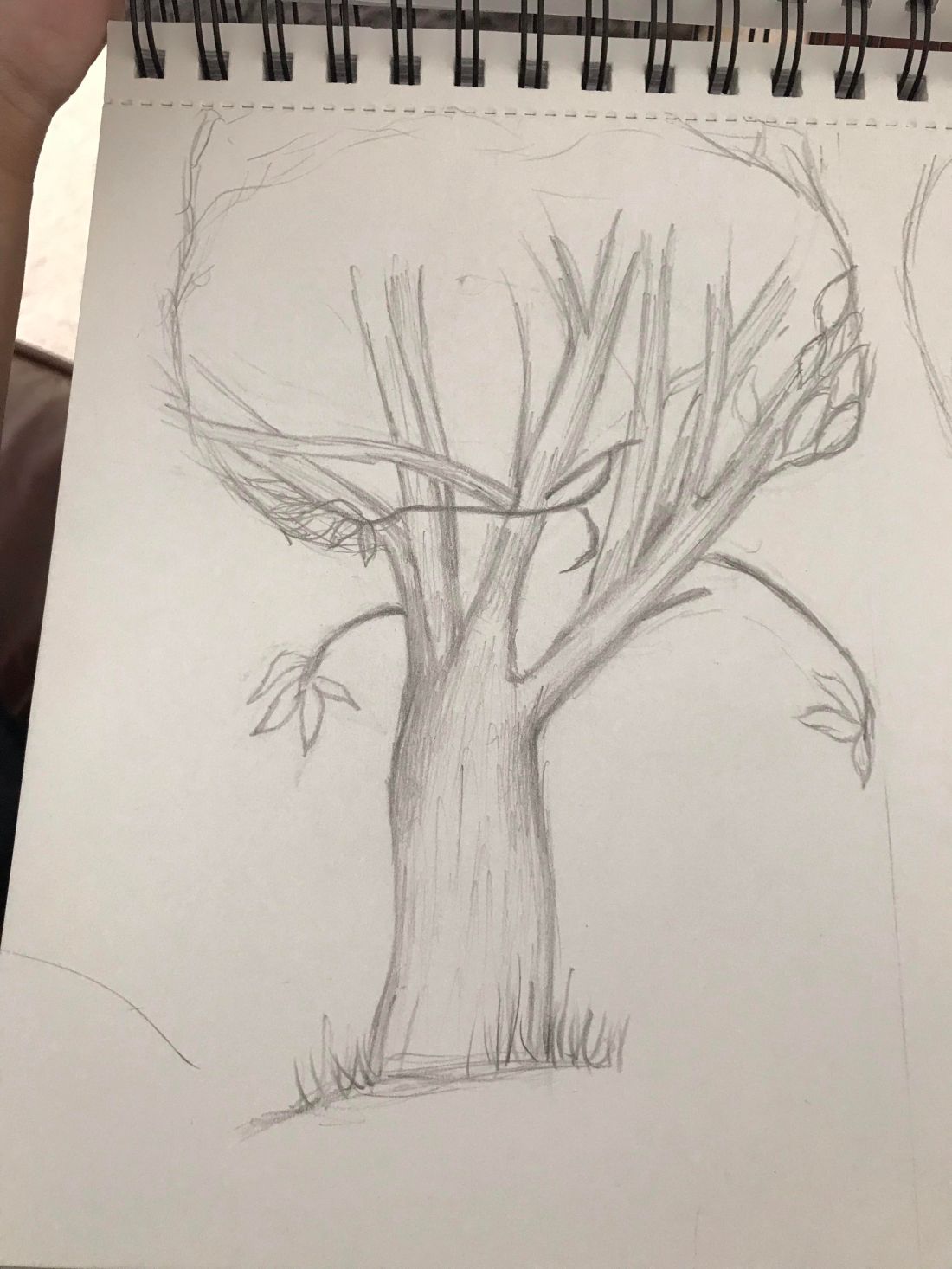
This next piece is to add some branches and shading to the tree and focus more on the inside shapes and tones of the tree:

unnamed (6).jpg

This piece was a fun to do as I liked to outline the branches and add a little more detail to the tree and add some tones to the trunk. I also added some grass around the bottom to get more of a detailed outlook to how the tree looks as well as some leaves so it gives more of an idea what the outlook on the tree is. I found this piece interesting to do because I was looking at different features of the tree other than just looking at it as a hole. I found it quite tricky to identify the different branches but I think this piece gives a good outlook on the shading and structure of the trees.

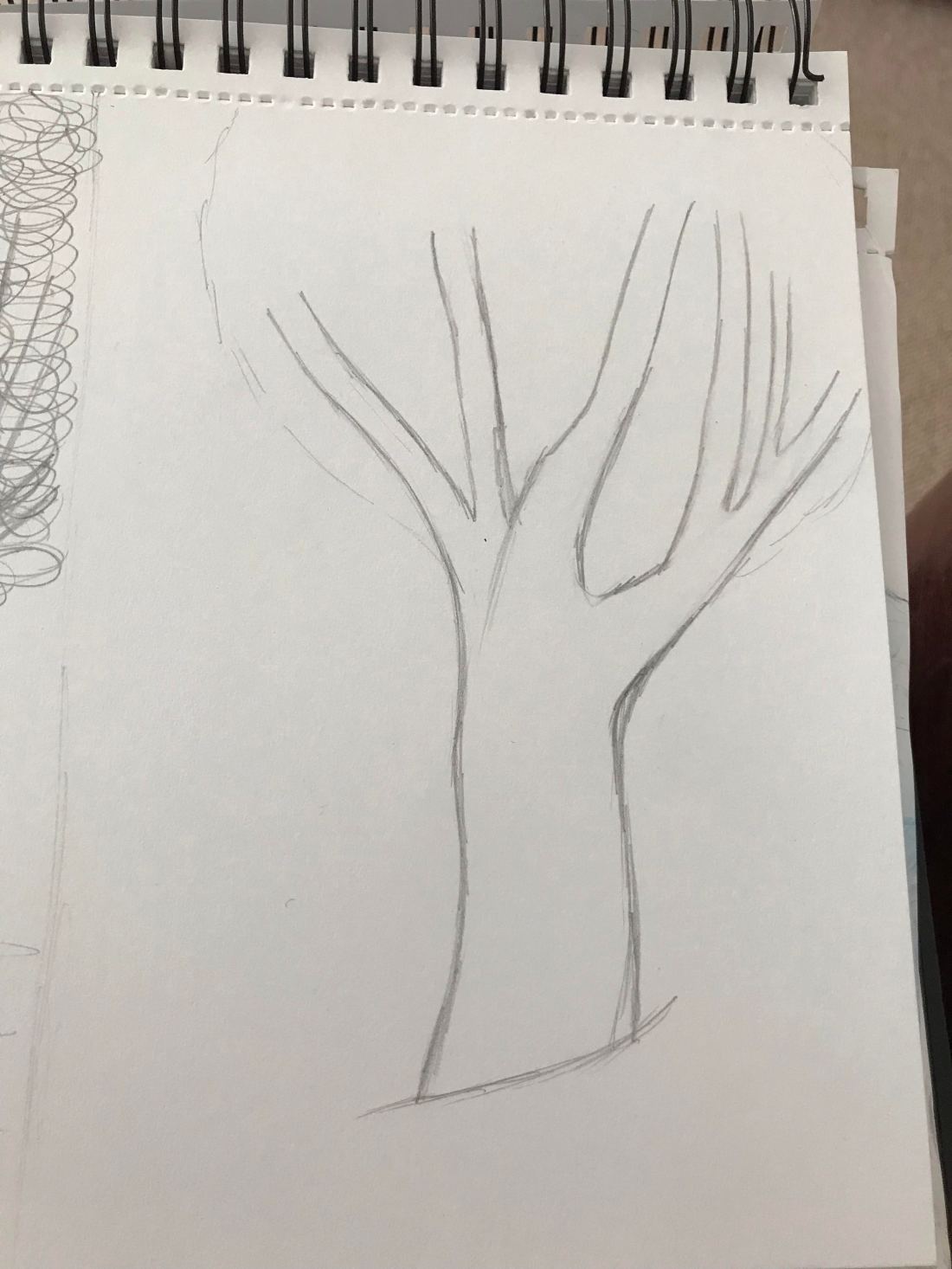
With this next piece it is just a look at the structure and the branches of the tree and to have more of a look of the trunk, here is a picture of my piece below:

unnamed (7)

This piece is simple but I think it gives a good idea of the structure and trunk of the tree focusing more on the inside of the tree rather than the over all look, I think I got an accurate outlook onto the trunk and branches. I also added a look at where the leaves and over view of the leaves go which give the tree its main volume.

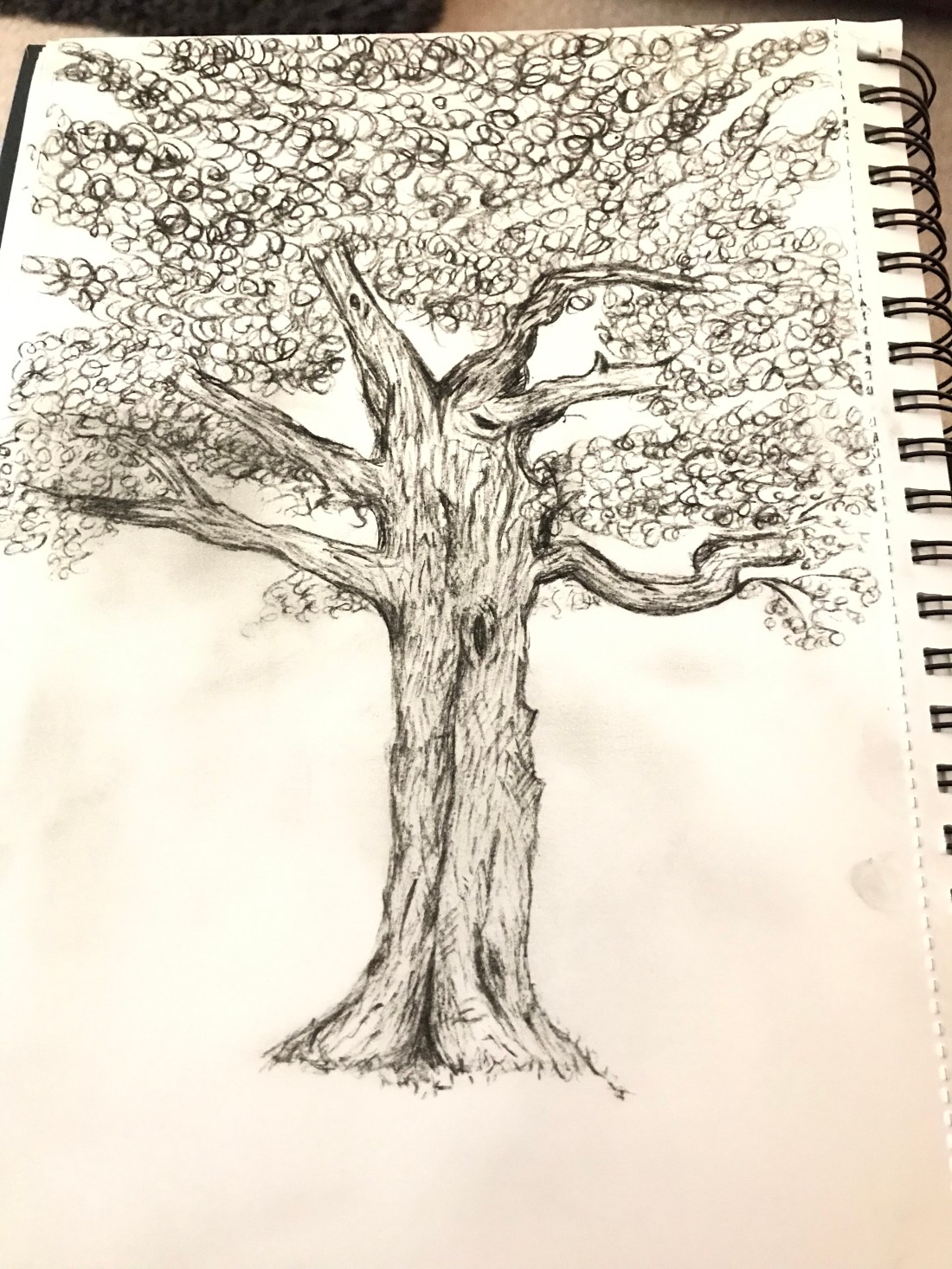
The last piece was to add some more tone to the over all look of the tree and to also use more scribbled lines to the tree as well giving the leaves a texture to define where they go throughout the tree:

unnamed (8).jpg

I enjoyed doing this pice because it was a little messy doing the lines and I didn’t care so much to get an accurate shape of the tree more like a scribble sketch of the overall tree. The shading I wanted to do some cross hatch to get more of a detailed and dark shade to the trunk. I only did the main branches of the tree for this piece to show off the main structure of the tree and not to do so much detail. I also then decided to do swirls and dark lines for the texture of the leaves because I thought it gave quite a light look which is what the leaves look like when being part of such a strong structure and this I did all over to really show the impact the leaves have on the volume of the tree.

All in all, I really enjoyed doing this exercise because I think it gave a different light on the tree and gave me a chance to look more in depth at the structure and inside of the tree as mainly when you look at trees you just see it as a whole and don’t really notice the strength it has or how the branches really make up the tree and how much volume the leaves actually have on the whole of the tree. It has made me excited to further looking into the details of trees and using different materials and medias throughout.